Household Employer Checklist: What to Organize Before Hiring In-Home Care in 2026
Plan your schedule, budget, and care needs before you start meeting caregivers.

Who is considered a household employee
Household employer payroll
Hiring an in-home caregiver for your loved one can relieve stress.
But becoming a household employer comes with another set of responsibilities, including payroll, schedules, and expectations.
You might be wondering where to start.
Although the “household employer” designation may seem intimidating, a few simple steps will help you feel more prepared.
This guide will walk you through each step, so you understand everything you need to organize before you hire an in-home Helper.
Step 1: Understand What It Means to Be a Household Employer
When you hire an in-home caregiver directly, that person usually becomes a household employee, and you become the household employer. This means the caregiver works in your home, follows your routines, and supports your loved one under your direction.
Not every professional who comes into your home falls into this category.
People like plumbers, landscapers, or cleaning services bring their own tools, set their own hours, and decide how the work gets done. Those roles are considered independent businesses.
In-home caregivers are different. They work in your home, follow your schedule and help with tasks you outline. They are also paid directly by you, which is why they are considered employees rather than independent contractors.
Getting clear on this difference helps you understand what you’ll handle once care becomes part of your week.
Household employers take care of:
- Setting pay and weekly hours
- Tracking time worked
- Following state wage and overtime rules
Now that you know what you’re responsible for, you can start preparing to hire your helper.
Step 2: Review 2026 Wage and Overtime Rules in Your State
States set their own wage and overtime rules for in-home caregivers, and these rules apply as soon as you hire someone directly.
As a household employer, you’re responsible for paying at least your state’s minimum wage and following the overtime structure your state uses.
Some states count overtime by the week, and others add daily overtime, which can change the cost of longer shifts.
A few states also include added protections for domestic workers, and those guidelines influence how you plan hours and pay.
Start by checking your state’s:
- Minimum wage
- Overtime rules (weekly, daily, or both)
- Domestic worker protections
Once you have these details, you can plan hours that fit your loved one’s needs and create a pay range that matches local requirements.
Step 3: Outline the Hours & Type of Support Your Loved One Needs
Start by looking closely at your loved one’s day. Which parts of their routine do they need the most help with? This could look like:
- Morning help with bathing, dressing, or meal prep
- Midday support for light chores, mobility, or companionship
- Evening assistance with dinner or getting ready for bed
Once you see what times of day or evening your strongest needs are, you can plan for short visits or longer shifts that cover meals, errands, or personal care.
From there, write down the hours you want covered, so you can outline these shifts with potential caregivers.
Step 4: List the Tasks and Responsibilities for the Role
Now it’s time to get a bit more granular about exactly what tasks you want your Helper to assist with.
The more specific you can be with this step, the more likely you are to find a Helper that matches your needs perfectly.
Caregiving roles can include things like:
- Personal care, such as bathing, dressing, or mobility support
- Household tasks, including light cleaning, laundry, and meal prep
- Social support through conversation, walks, or activities
- Transportation for errands or appointments
- Safety check-ins throughout the day
If any tasks require a certain skill set or comfort level, like toileting help, transfers, or memory care, make a note. Caregivers can only accept roles they feel prepared for, so this clarity will help attract the most qualified candidates.
Step 5: Plan a Weekly Care Budget
A weekly budget helps you see what in-home care may cost and gives caregivers a realistic sense of what the role pays.
Start by estimating how many hours of support you expect each week, then look at the pay rates in your area.
Your state’s minimum wage and overtime rules also affect the total if you’re planning longer days.
As you build your budget, consider:
- Hourly pay
- Weekly hours
- Overtime for longer shifts
- Extra costs like mileage or grocery reimbursement
Once you total those numbers, compare them to what you can set aside each week. If there are any gaps, you may need to adjust the schedule slightly before talking with potential Helpers.
Step 6: Gather All Your Information for a Smooth Hiring Process
Before you start meeting in-home caregivers, gather the details they’ll need to understand your loved one’s routine and the way your home works.
Make sure you have the following info on hand:
- The schedule you want covered
- Your loved one’s daily needs
- House rules, including pets or visitor preferences
- Emergency contacts
- How you prefer to communicate about schedule changes
When you have this information in one place, you can walk caregivers through the role step by step and give them a better sense of what day-to-day care looks like in your home.
Step 7: Use Herewith to Keep the Hiring Process Simple
Herewith gives you tools that make hiring feel more manageable. You can browse local Helper profiles, filter by skills and availability, and read through experience that aligns with your loved one’s needs.
Chatting before booking helps you get a sense of each Helper’s style and gives them a clear picture of your home and routine.
Once you find a good match, you can schedule interviews, set up support, and track everything in one place.
Families who move into ongoing care can use optional payroll services through Herewith’s payroll partner, HomeWork Solutions, which makes managing timecards, weekly pay, and employment tax withholdings more straightforward. Through this seamless integration, families can rest assured that any tax responsibilities are taken care of with the help of expert payroll professionals.
If you’re ready to start looking for support, you can explore local Helpers on Herewith anytime.
Key Takeaways
- Understanding your role as a household employer helps you plan care with more clarity.
- State wage and overtime rules shape how you think about hours and pay.
- Outlining daily routines helps you match with Helpers who fit your schedule.
- A simple weekly budget keeps hiring conversations steady and grounded.
- Using Herewith gives you an easier way to find, meet, and hire Helpers in your area.
Families Also Ask:
How do I know if my Helper counts as an employee or a contractor?
Most Helpers who work in your home and follow your schedule are considered employees.
Do I need to post a formal job listing?
No. You can browse Helpers directly on Herewith and reach out to people who feel like a good fit.
What if I only need a few hours a week?
You can hire a Helper for short shifts, occasional visits, or a more regular routine.
How should I talk about pay with a Helper?
Start with your state’s minimum wage, then discuss experience, responsibilities, and the hours you want covered.
Can the schedule change later?
Yes. You can adjust hours as needs shift, and Helpers can accept or decline based on their availability.
Are background checks included?
Yes. Every Helper on Herewith completes a background check before they’re eligible for booking.
Can I use payroll support if I hire someone for ongoing care?
Yes. Families can access optional payroll services through HomeWork Solutions to help manage timecards and weekly pay.
Still need help?
Call our Support team for further assistance.
Mon-Sat, 9AM-6:30PM PT
Related Articles

Here’s what you need to know about your employment tax responsibilities when hiring part or full-time care on Herewith

Learn the basics about caregiver tax deductions and start saving money today
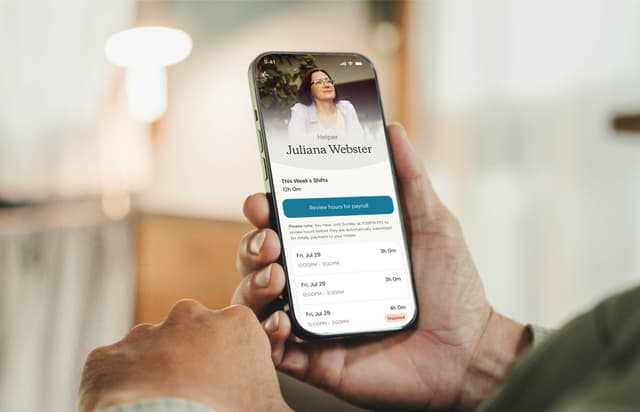
Everything you need to know about weekly payroll for your Helper and how to review your Helper’s timecards


