10 Tips for Managing Alzheimer’s & Dementia During the Holidays
Make this season easier with thoughtful steps for comfort and care.
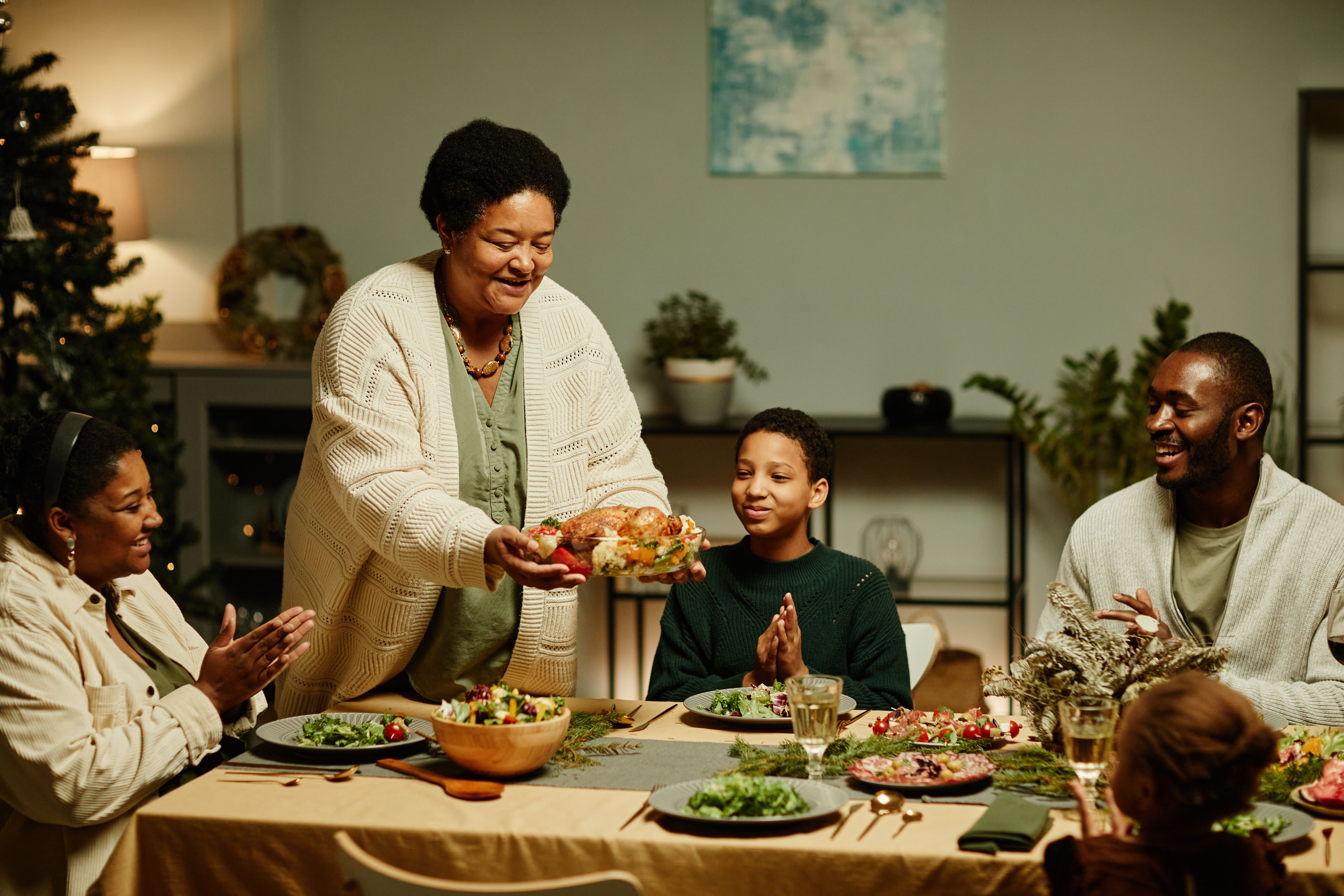
The holidays can feel complicated when someone you love is living with Alzheimer’s.
You want to keep traditions alive, but you’re also trying to protect your loved one’s comfort, routine, and sense of safety.
It’s easy to worry about how they’ll handle noise, travel, or a house full of people.
The good news is that with a few adjustments, holiday gatherings can still feel meaningful.
This guide will walk you through simple steps that help your loved one stay calm and connected, so you can relax and enjoy spending time together.
1. Keep Gatherings Small and Simple
Large groups can feel overwhelming for someone with Alzheimer’s.
Too many voices or movements may cause confusion or agitation, especially if symptoms have changed since the last visit.
Smaller gatherings create a calm space where your loved one can stay engaged without feeling pressured.
If a large family event can’t be avoided, try:
- Keeping the visit shorter
- Limiting guests to smaller groups
- Staggering arrival times so conversations stay manageable
You'll need to communicate these plans in advance of the holiday event and make sure all family understands and agrees. A little bit of thoughtful planning like this can greatly improve your loved one's experience at the event.
2. Choose a Familiar, Comfortable Setting
Familiar spaces help your loved one feel calm and secure.
Being in a place they recognize, like their own home or a family member’s house, reduces confusion and gives them cues their brain already knows. Unfamiliar environments can be disorienting, especially when the day is full of people and activity.
If the gathering takes place somewhere new, take a few minutes to help them adjust:
- Point out where they can sit or rest
- Show them where the bathroom is
- Keep a quiet spot nearby for short breaks
- Stay nearby or check in on them in case they need help
Share these details with family members so they can help too. When everyone supports a calm environment, your loved one can relax and feel included.
Related reading: Creating a Safe and Supportive Home for Seniors with Dementia
3. Pick the Right Time of Day
Your loved one may feel more comfortable or alert at certain times.
Many people with Alzheimer’s experience more confusion or restlessness later in the day, so planning gatherings earlier can help prevent fatigue or agitation.
Consider your loved one’s usual rhythm when scheduling:
- Plan brunch or lunch if mornings are their best time
- Avoid late dinners or evening parties
- Leave time for rest before and after events
Share the plan with guests so everyone arrives when your loved one feels most comfortable. When the timing feels right, your loved one can enjoy the visit instead of working to get through it.
4. Prepare Guests Ahead of Time
Holiday visits flow more smoothly when guests know what to expect. Share a few ways guests can help your loved one feel comfortable and included.
Before the gathering, you can:
- Share how your loved one has been feeling lately and what helps them stay relaxed
- Suggest ways to communicate, like speaking slowly or giving extra time to respond
- Remind guests to avoid correcting memory slips or repeating questions
When guests know what to expect, they can focus on connecting with your loved one instead of worrying about what to say or do.
Related reading: Talking to Siblings About Dementia Care for Your Parent
5. Keep the Environment Calm and Supportive
Holiday spaces can get loud or busy quickly. Too much noise, loud music or flashing décor can feel confusing or stressful for someone with Alzheimer’s.
You can keep things comfortable by:
- Turning down background music or TV
- Choosing soft lighting instead of blinking lights
- Keeping walkways clear of bags, cords, or clutter
Before guests arrive, take a quick look around and adjust anything that might feel overwhelming. A peaceful environment helps your loved one stay present and enjoy every moment.
6. Involve Your Loved One in Simple Preparations
Many people with Alzheimer’s enjoy being part of the holiday routine, especially when tasks feel familiar. Simple activities can bring comfort and give them a sense of purpose.
Offer steps that match their comfort level:
- Folding napkins or setting out silverware
- Stirring a bowl or helping with decorations
- Choosing music or picking out ornaments
Keep their normal schedule in mind and let them move at their own pace. Involvement, even in small ways, helps them feel proud and connected.
7. Use Tools That Help With Recognition and Comfort
Holiday gatherings can bring faces your loved one hasn’t seen in a while. Small tools can help them recognize people and ease their anxiety about memory issues.
A few ideas to try:
- Create a small photo album with names under each picture
- Place name cards near seats to support recognition
- Play familiar music or share old photos to spark conversation
- Keep a soft blanket or favorite sweater nearby for comfort
These gentle supports make it easier for your loved one to connect with guests.
8. Communicate in a Way That Supports Their Dignity
Holiday conversations can move fast, and that pace can be tough for someone with Alzheimer’s to follow. Slowing things down helps them stay part of the moment.
Try these small shifts in how you communicate:
- Speak in short, clear sentences
- Give extra time for them to respond
- Offer simple choices instead of long explanations
- Let repeated stories go without correction
When you meet your loved one where they are, they will feel more comfortable and included.
9. Watch for Signs of Overwhelm
Even well-planned gatherings can be tiring. Your loved one may show signs that they need a break, and noticing those cues early can help prevent distress.
Watch for:
- Withdrawing from conversation
- Pacing or restlessness
- Irritability or sudden confusion
- Staring off or looking lost
If you see these signs, guide them to a quiet space or take a short walk together. A few minutes away from the noise can help them regroup and feel calm again.
Related reading: 10 Self-Care Tips for Family Dementia Caregivers
10. Adjust Traditions With Compassion
Holidays carry strong memories, and it can be hard when old traditions no longer fit your loved one’s needs. For example, an annual gift exchange or silly, chaotic games may be too overwhelming.
Focus on activities that still bring joy without creating distress.
Here are a few ideas:
- Watch a favorite holiday movie together
- Cook one special recipe instead of a full meal
- Listen to music or decorate a small space
Be gentle with yourself as things change. What matters most is creating moments of connection, not recreating the past.
You Can Create a Holiday That Works for Everyone
The holidays may look different when someone you love is living with Alzheimer’s, but they can still be filled with connection and joy.
A calm pace, familiar surroundings, and thoughtful planning can make the season easier for both of you.
If you need extra help, a Helper can offer companionship, prepare meals, or support your loved one while you manage the rest of the day.
Learn more about in-home dementia care on Herewith and find the support that helps your family enjoy the holidays together.
Key Takeaways
- Smaller gatherings help your loved one stay calm and comfortable
- Familiar settings reduce confusion and create a sense of safety
- Preparing guests ahead of time supports smoother interactions
- A quiet, uncluttered environment helps prevent overwhelm
- Simple tasks and familiar traditions keep your loved one involved
- Tools like photos and name cards support recognition
- Watching for signs of fatigue helps you respond before stress builds
- Adapting traditions can ease pressure and create new joy
Families Also Ask:
How can I help my loved one feel comfortable during a holiday gathering?
Keep the setting calm and familiar, limit background noise, and give them a clear place to sit or rest. Familiar routines and gentle communication help them feel safe and included.
Should I tell guests about my loved one’s memory changes?
Yes. A short message before the visit helps guests know what to expect and how to connect. When people understand your loved one’s needs, the day feels easier for everyone.
What should I do if my loved one becomes overwhelmed?
Guide them to a quiet space, offer reassurance, and give them time to rest. A short break can help them feel calm and ready to rejoin the group.
Is it better to host at home or go somewhere else?
Most people with Alzheimer’s do best in familiar surroundings. If you visit somewhere new, arrive early so you can show them where to sit, rest, or use the bathroom.
How can I keep holiday traditions alive without causing stress?
Focus on what feels comforting, and let go of what adds pressure. Listening to music, decorating together, or sharing old stories can keep the spirit of the holidays alive in simple, meaningful ways.
Still need help?
Call our Support team for further assistance.
Mon-Sat, 9AM-6:30PM PT
Related Articles

Learn where to find help, connection, and care through every stage of Alzheimer’s.

Handle communication breakdowns, safety concerns, and caregiver burnout with confidence

Learn how to track hours, organize records, and stay aligned with your in-Home caregiver.


